
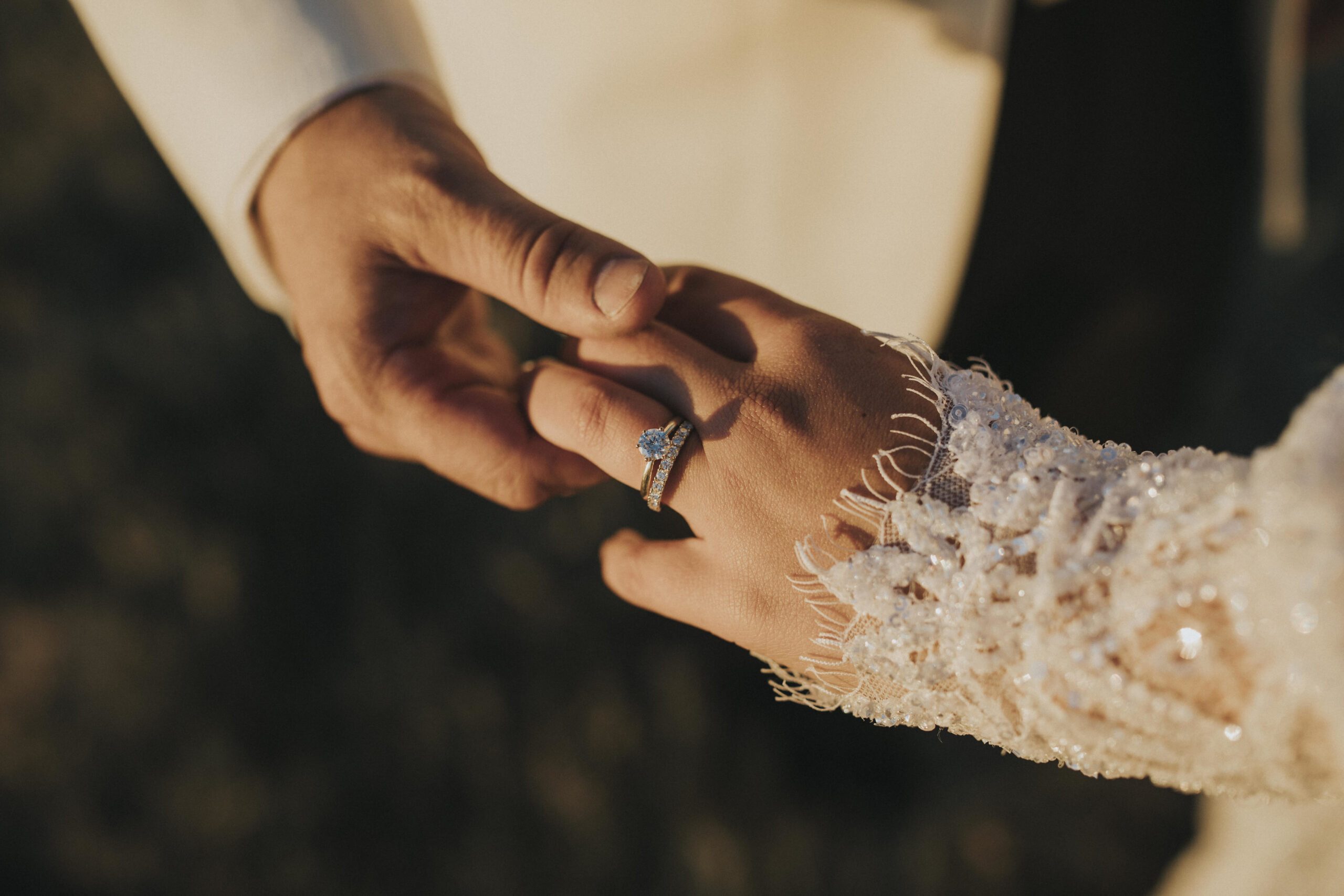
Most rings that reach our bench looking tired are not dirty. They are coated.
Skin oil, hand cream, soap residue and sunscreen build a film under the stones, and that film stops light passing through the pavilion. A diamond does not go grey because it has lost anything. It goes grey because light bounces off grease before it reaches the facets. Clean the film off and the stone behaves as it did the day it was set.
Almost all of it comes off in five minutes at the kitchen sink. This guide covers the method we teach at every ring collection, what to keep away from your ring, and when it needs a bench rather than a bowl. We have been cleaning and inspecting wedding bands and engagement rings at our Mt Hawthorn studio since Stelios Palioudakis opened it in 2007.
What You Will Need
Everything is already in your kitchen.
● A small bowl, larger than the ring and smaller than the sink.
● Warm water, not hot.
● A few drops of mild dish soap.
● A soft toothbrush, new or kept aside for the ring.
● A lint free or microfiber cloth for drying.
● A soft polishing cloth if you have one.
No specialist jewellery cleaner is needed for routine washing, and nothing abrasive goes near it. What matters here is method rather than product.
The Simple At-Home Cleaning Method
What we do for most diamond rings and plain bands.
1. Fill the bowl with warm water. Hot water can loosen prong settings on older rings where the metal has thinned. Warm is safer and works just as well.
2. Add a few drops of mild dish soap. Enough to raise a light foam. Skip antibacterial soaps, which often carry added oils.
3. Soak for ten to fifteen minutes. Longer if the ring is badly filmed. The soak does the work so your brush does not have to.
4. Brush gently with a soft toothbrush. Concentrate on the underside of the stone, the base of each claw and the inside of the band. That is where residue lodges.
5. Rinse under warm running water. Plug the drain first, or hold the ring in a strainer.
6. Pat dry with a lint free cloth. Not paper towel, which sheds fibres into the setting, and not a tea towel that has been through fabric softener.
7. Finish with a polishing cloth. A few light passes brighten gold and platinum without taking metal off.
Weekly suits a ring worn daily. Monthly is the floor.
Metals And Stones Worth Treating Differently
The method above covers most pieces. Four exceptions.
Porous and organic stones. Opal, pearl, emerald and turquoise react badly to a long soak. Water enters the structure and, with pearls, degrades the drill hole and the silk they are strung on. Wipe these with a damp cloth and one drop of soap instead.
White gold. Safe to soak and brush. Go easy with the polishing cloth, because the rhodium plating that keeps white gold bright is microns thick and wears through faster than the metal beneath it.
Platinum. Effectively immune to soapy water. Soak as long as you like.
Heavy pavé and channel settings. Soak and brush lightly. Small accent stones sit in fine grain settings that thin over decades, and hard brushing finishes what wear started. Same caution for a ring stack, where the rings also grind on each other.
If you are unsure what is in your ring, particularly an inherited piece, bring it in and we will identify it at no cost.
What Not To Do
Four habits that do more harm than grime ever will.
No toothpaste. It is an abrasive, and it hazes gold and platinum with fine scratches you will not notice for months and cannot buff out at home.
No baking soda. Same problem, same outcome.
No bleach, ammonia, chlorine or acetone. These corrode gold alloys and attack the metal holding your stones. Chlorine matters here: if you swim laps at Beatty Park through summer, the ring comes off first.
Never clean over an open drain. We take this call at least once a year and it is an awful conversation. Plug the sink. It takes two seconds.
One more specific to living here. Sand is quartz, which sits at 7 on the Mohs scale against 18 carat gold at roughly 3. An afternoon at Scarborough or Cottesloe with the ring on does not only leave grit in the setting, it works abrasion marks into the band. Rings from beach-going clients come back visibly softer at the edges after a decade.
When To Bring The Ring In For Professional Cleaning
Home cleaning handles the film. Everything else needs the bench.
We recommend a professional service annually, and one complimentary clean each year comes with every ring we make. That covers steam cleaning, an ultrasonic bath where the setting is secure enough, claw inspection under magnification, rhodium re-plating on white gold, and a final polish.
Come in sooner if a stone feels loose, if the ring stays dull after a proper home clean, or if it has taken a hard knock. A thinned claw gives very little warning before it lets go.
Frequently Asked Questions
The four we hear most often.
How Often Should I Clean My Wedding Ring At Home?
Weekly for most wearers. More often if you use hand cream daily, work with your hands, or wear sunscreen year round, which in Perth is most people.
Is It Safe To Use An Ultrasonic Cleaner At Home?
For a simple, securely set ring in good condition, generally yes. Not for loose claws, fragile antique settings, or soft stones such as opal and pearl. Ultrasonic vibration is indiscriminate and shakes free anything already marginal.
Will Dish Soap Damage My Diamond Engagement Ring?
No. Mild dish soap is the safest and cheapest cleaner there is for diamonds and most gemstones. Rinse thoroughly so no residue is left to start the film again.
My Ring Still Looks Dull After Cleaning. What Now?
It probably needs polishing rather than cleaning. Thousands of microscopic scratches across the band scatter light instead of reflecting it, which reads as dullness. We buff those out without removing meaningful metal, and if we made the ring it is part of your annual service.
Come In For A Complimentary Clean
There is a moment we still enjoy after all these years. Someone brings in a ring worn daily for fifteen years, half apologising for the state of it, and gets it back forty minutes later looking like the day it left the workshop. Nothing was replaced. It was under there the whole time.
If it has been over a year since your last service, bring the ring to our Mt Hawthorn studio. We will soak, steam, ultrasonic where safe, and inspect every claw and stone at no cost on any ring we have made. While you wait we will run through the home method on your own ring.
Book a ring cleaning, or look through the custom gallery while you decide.

Stelios Palioudakis, founder of Stelios Jewellers, has been crafting bespoke pieces since 2007. Recognised early as a finalist in the Australian Jewellery Awards, Stelios has built a brand renowned for exceptional design, quality, and loyal clientele.



Social Media