
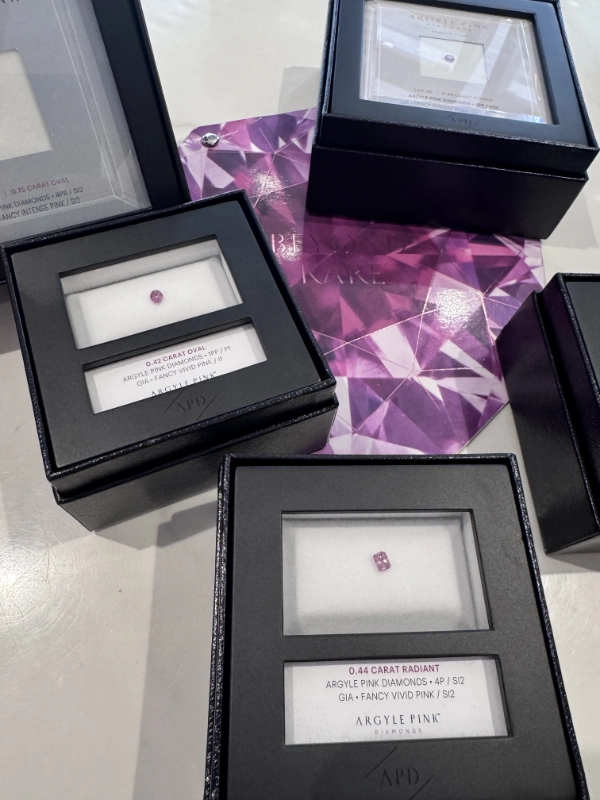
Australian pink diamonds are among the rarest natural gemstones in the world, and they have a particular standing in the Western Australian jewellery trade because almost all of them came out of one mine in the East Kimberley region.
That mine closed in November 2020 after nearly four decades of operation. Since closure, the stones that remain in circulation have become the only natural Australian pink diamonds that will ever exist. Collectors worldwide now treat these exquisite gems as long-term holdings rather than trading stock, and their value has moved accordingly. The beauty of a natural pink diamond lies in a rare combination of geology, durability, and lasting appeal.
This guide covers what pink diamonds actually are, how they formed, the history of Australian production, the grading system used to describe them, what determines their value, how to buy one well, how to set one, and how to care for one after purchase. We have worked with natural Australian pink diamonds at our Mt Hawthorn studio since the studio opened in 2007, and the following is the same information we share with clients who sit across the bench asking where to start.
What Pink Diamonds Actually Are
The term “pink diamond” refers to any natural diamond whose predominant colour reading is pink rather than white. Unlike other coloured diamonds such as yellow, blue, or green, which draw their colour from chemical impurities (nitrogen, boron, and natural radiation respectively), pink diamonds contain no colouring agent. Their colour comes from a physical process called plastic deformation, where the carbon lattice of the diamond is bent by the pressure of its formation. The bending alters how the stone absorbs and reflects light: it absorbs green wavelengths and allows the remaining wavelengths through, which the eye reads as pink.
This is part of what makes pink diamonds so rare. The conditions required to deform a diamond’s lattice without fracturing it are narrow. Too much pressure and the stone shatters. Too little and no colour develops. The geological window that produces a natural pink is small, and very few regions on earth have ever produced them in commercial quantities.
The colour ranges from a soft blush, through warm salmon tones, into vivid and intense pinks, and occasionally into rare purplish pinks and red-pinks at the top of the grading scale. Each grade appears differently in natural light than under showroom lighting, which is why we always encourage clients to view stones outdoors or under a window before committing. Shape matters too: a round brilliant or cushion shape tends to concentrate the colour, while elongated shapes like oval and pear spread the saturation across more surface. Many collectors believe the natural pink to be the most desirable of all coloured diamonds, and the market consistently reflects that belief.
The Story Of Australian Pink Diamonds
Most of the world’s natural pink diamonds for the past four decades came from a single mine in the East Kimberley region of Western Australia. The mine began operations in 1983 under Rio Tinto and produced roughly 90 percent of the global supply of natural pink diamonds during its lifetime. Most pink diamonds traded today were born in this single location between 1983 and 2020. At its peak, the mine processed tens of millions of carats of rough diamond per year, of which only a tiny fraction were the rare pinks that made it famous. Most of its production was brown and champagne diamonds, sold as commercial stones.
The pinks were separated from the general production and sold through a dedicated annual tender: a sealed-bid auction of the finest stones from each year’s yield. Only a few dozen stones each year made it to tender, and those stones were typically named, numbered, and registered. The tender became the benchmark for pink diamond pricing worldwide and established a secondary market that continues today.
When the mine closed in November 2020, Australia stopped producing commercial quantities of natural pink diamonds. A small number of pinks still come out of other parts of the world (Russia, Canada, Brazil, and India), but none in the volumes or quality of the Kimberley source. For practical purposes, the inventory of natural Australian pink diamonds is now fixed. Every stone that exists today is a stone that was mined before November 2020, and no more will be added.
This is why pink diamonds have become the subject of long-term appreciation rather than short-term trading. The supply curve is flat. The demand curve keeps rising. Perth and Western Australia hold a particular presence in the global pink diamond market because so much of the trade has always passed through, or originated in, this part of the country.
The Colour Grading System For Pink Diamonds
Pink diamonds are graded on a specialised colour scale that captures the intensity and saturation of the pink hue. Each grade refers to a specific saturation band:
- Faint Pink. Almost colourless with a hint of pink. Usually priced as a near-white diamond with a small premium.
- Very Light Pink. Subtle but visible pink tone.
- Light Pink. Clearly pink but gentle.
- Fancy Light Pink. Entry point to the Fancy grade category. Noticeable pink, good value for first-time buyers.
- Fancy Pink. The mid-range of the colour scale. Significant pink saturation visible across the whole stone.
- Fancy Intense Pink. Strong colour saturation. A step up in price.
- Fancy Vivid Pink. Top commercial grade. Highly saturated, rare, and commanding premium pricing.
- Fancy Deep Pink. Dark, rich, saturated colour.
- Fancy Dark Pink. Even darker, rarer, shading toward the darkness end of the scale.
Beyond the saturation grade, pink diamonds are also graded on colour modifiers. A pure pink is the most valuable. Stones with secondary hues such as purplish pink, brownish pink, or orangey pink sit at different price points depending on the modifier. Purplish pink generally commands a premium, because the cooler undertone is considered more desirable. Brownish pink is usually priced below pure pink because the warmth reads as less saturated to most eyes.
Clarity and carat also apply, as they do for white diamonds, but in practice pink diamonds are graded first on colour. A Fancy Vivid Pink with some inclusions is more valuable than a flawless Very Light Pink of the same size. The surface and inclusions matter, but not in the same proportion as they do for white stones.
Every natural pink we sell carries independent laboratory grading, usually through the GIA, which includes a colour origin note confirming the pink is natural rather than treated. This note is the primary marker of authenticity for pink diamonds sold on the secondary market.
Why Pink Diamonds Are So Valuable
Three factors set pink diamond pricing.
Rarity. Natural pink diamonds account for less than 0.01 percent of global diamond production. Even during peak years of Kimberley production, only a few dozen tender-quality stones per year were sold. These are scarce stones by any measure.
Fixed supply. With the Kimberley mine closed, global production of high-grade natural pinks has essentially stopped. Unlike most commodities, the supply cannot be increased by opening another mine or ramping production. What exists, exists.
Increasing demand. Pink diamonds have gained recognition as an asset class over the past two decades. Private collectors, museums, long-term jewellery buyers, and a growing base of passionate individual investors all compete for the same shrinking pool. Auction records have been set repeatedly, and top-grade stones regularly change hands for tens of millions of dollars. The Pink Star sold for around $71 million USD in 2017, the Graff Pink for $46 million in 2010, and smaller tender stones routinely cross $1 million at individual auctions. Buyers at those events pay significantly more than the pre-auction estimates in most pink diamond lots.
Annual appreciation for investment-grade pink diamonds over the past fifteen years has averaged between 8 and 15 percent, with top-tier stones outperforming the general market. Faint and Very Light pinks have appreciated more modestly. Fancy Vivid, Fancy Intense, and Fancy Deep stones have carried the heaviest appreciation. Purplish pink modifiers have outperformed pure pink in several auction cycles.
Past appreciation is not guaranteed to continue, but the underlying market conditions (fixed supply, growing demand, increasing recognition) all point in the same direction.
Investment Considerations
Pink diamonds can work as a long-term store of value, but they are not a liquid asset. A few things to consider before buying for investment.
Time horizon. Pink diamonds are a ten-to-twenty-year hold. They appreciate slowly and steadily, with occasional step-ups around major auction events. If you need access to capital within five years, a pink diamond is not the right vehicle.
Grade and certification matter more than size. A small Fancy Vivid Pink with clean certification will outperform a larger Faint Pink at resale. Prioritise colour saturation over carat.
Auction access. Selling a pink diamond at market value usually means consigning it to an international auction. This takes time, fees, and patience. Local resale through a jeweller is possible but typically at a discount.
Storage and insurance. Every pink diamond should be insured at independent appraisal value from day one. We are a listed partner of Q Report Jewellery Insurance. Secure storage between wearings saves you the cost of replacing a precious stone lost to theft or misplacement.
Update appraisal regularly. The pink diamond market moves, and a purchase price from five years ago likely understates the current replacement value. We suggest clients update their appraisal every three to five years to make sure their insurance and estate planning reflect current market reality.
Enjoyment versus asset. Most of our clients buy a pink diamond as a wearable piece first and an investment second. We recommend this approach. A stone worn for its beauty and appreciated as an asset saves the emotional cost of a purchase that otherwise sits unused in a safe.
How To Buy A Pink Diamond Well
A short process we walk clients through.
Start with a budget, not a stone. Natural pinks range from around $2,000 for a small Faint Pink accent stone to over $1 million for a significant Fancy Vivid. Decide what you can spend before falling in love with a specific stone.
Decide on colour grade range. Within budget, pick the grade range you want to shop in. Mid-range Fancy Light to Fancy Pink is where most first-time buyers land. Those looking for long-term appreciation often push themselves into Fancy Intense or Fancy Vivid even at a smaller carat size.
Insist on independent certification. GIA is the gold standard. IGI and AGS are also acceptable. Never buy a pink diamond on an unverified certificate.
View the stone in natural light. Pink diamonds can look very different under showroom lighting than they do under a window or outside. Always ask to see the stone in natural light before committing. Colour modifiers such as brown or orange undertones often only show under direct daylight.
Understand provenance. Pinks from the Kimberley mine have documented origin paperwork for stones sold through the tender system or later resales. Provenance adds value but is not required for smaller stones.
Consider loose versus set. Buying a loose pink diamond and commissioning a setting lets you design around the stone. The deal you strike on the stone and the setting can be structured separately, which often gives clients more flexibility on total spend. Buying a finished piece is faster and often less expensive per carat.
Buy from a jeweller who holds stock. A dealer sourcing the stone from another party on order has less knowledge of the specific piece than a jeweller who has held it in the case and photographed it under different light. Sought-after stones sell fast; working with a jeweller who has a reserve gives you time.
Pink Diamond Settings That Flatter The Stone
Pink is a colour that responds to the metal around it. The wrong setting can wash a stone out; the right one makes a small stone read as larger and more saturated than it is. We treat each pink diamond as a precious piece to be showcased, and the setting is crafted with the specific stone in mind. A few guidelines we apply when creating pink diamond jewellery.
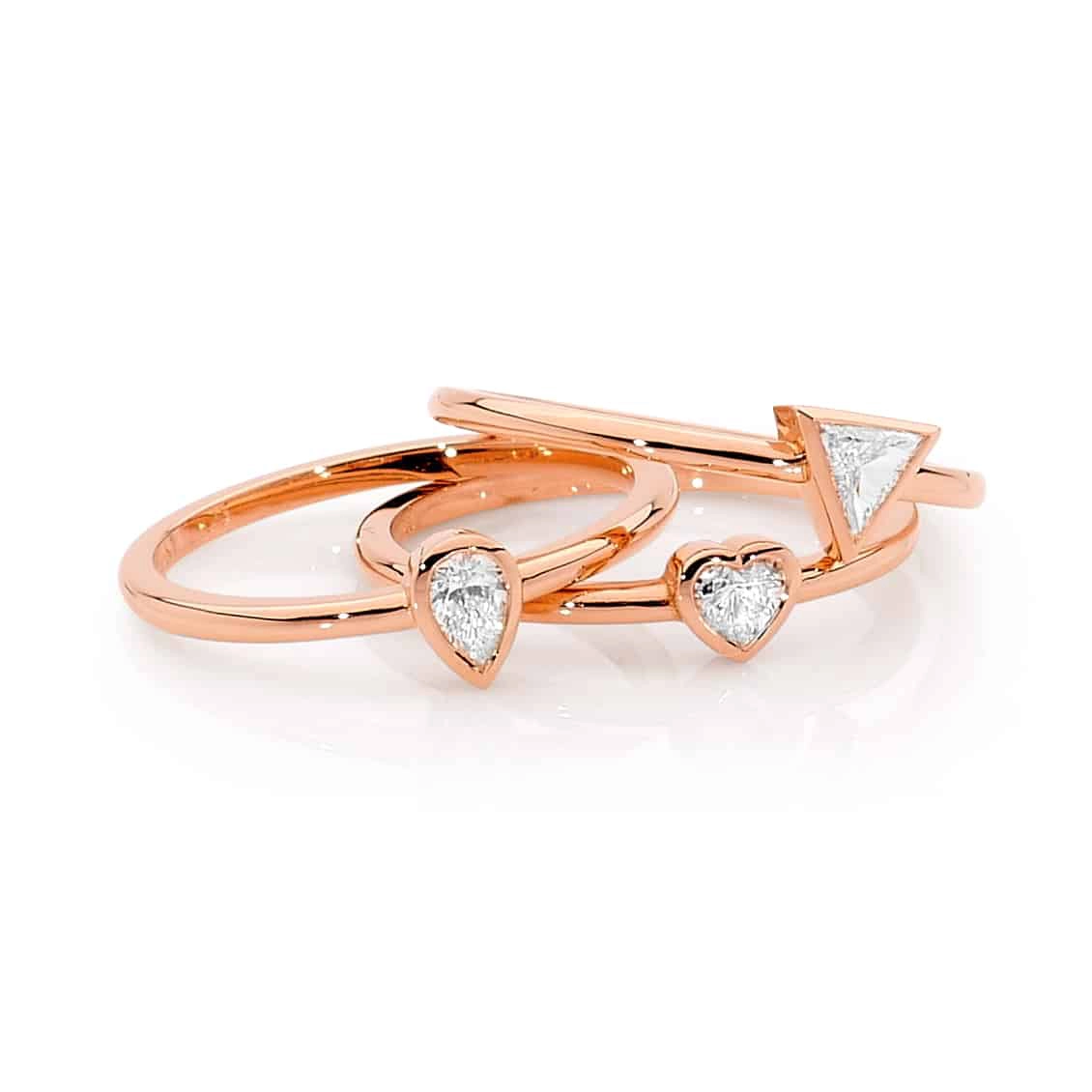
18-carat rose gold. Amplifies the pink. Most effective for light to medium saturation stones, where the warm metal reinforces the colour.
18-carat yellow gold. Slightly cooler against a pink stone than rose gold but still complementary. Works particularly well with warm-toned pinks.
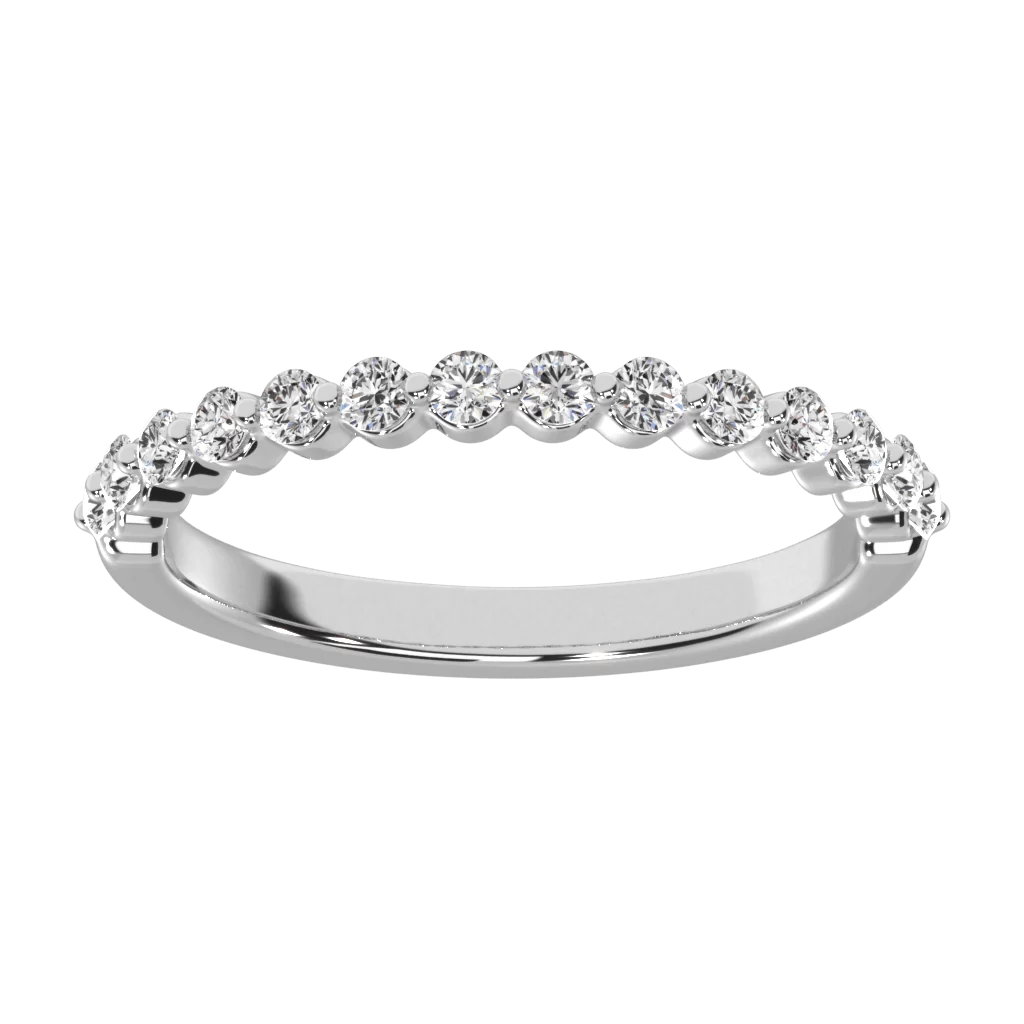
18-carat white gold or platinum. Provides a neutral backdrop. Lets the true saturation of the pink read without the metal colour contributing. Best for higher saturation stones, where the pink can stand on its own.
Bezel versus claw setting. A bezel frames the stone and increases the apparent colour intensity. A claw or prong set allows more light into the pavilion and shows more of the stone’s true colour. For small pinks, we often recommend bezel. For larger pinks, claw settings that let light flow through.
Mixed metal design. Some of the most striking pink diamond pieces we have made combine a rose gold cup underneath with a white gold or platinum surround. The warm cup reflects up through the stone, reinforcing the pink, while the cool metal around the exterior balances the look. The finished piece reads like it is radiating warmth from within rather than borrowing colour from the setting.
Pink diamond earrings and pendants as statement pieces. Earrings and pendants sit against the skin and show pink colour differently from a ring on a hand. Studs and drop earrings in a warm rose gold setting often read more vividly than the same stone set in a ring. These pieces make a quiet statement rather than an announcement, and they wear well across everyday style and formal occasions.
Settings matter because a pink diamond’s value rests on visible colour. A well-chosen setting can make a Fancy Light Pink read as Fancy Pink from a normal viewing distance.
A Recent Pink Diamond Client
A client from Dalkeith first approached us five years ago wanting a single natural pink earring as a fortieth birthday gift to herself. She chose a 0.15carat/4PP or Fancy Intense Pink (GIA), round brilliant cut, which we set as a stud. The round brilliant shape was chosen to hold the colour face-on. Two years later she returned for the matching second earring, a 0.14 carat/4PP Fancy Pink we matched as closely as possible to the first. Earlier this year she came back once more and commissioned a pendant to complete the set, a 0.28 carat/4PP Fancy Intense Pink suspended in a simple 18ct rose gold bezel.
The three pieces together cost a little over $80,000 across five years. At her last visit, our updated appraisal put the combined current replacement value at closer to $150,000. More importantly, she has worn each piece through its collection period: the earrings to dinners, meetings, and family gifts for milestone moments, and her own significant birthdays. Not kept for special occasions alone, but worn as everyday style.
This is the pattern we see most often with clients who buy pink diamonds well: considered acquisitions, spaced over time, each piece adding to a small personal collection rather than sitting on a balance sheet. The pieces function as both jewellery and long-term store of value, and the owner gets to enjoy them along the way.
Care And Maintenance
Pink diamonds are graded on the same hardness scale as white diamonds (10 on Mohs), so they are extremely durable. A well-cared-for pink diamond should stand the test of generations within a family. A few things worth knowing.
- Regular cleaning. Warm water, a drop of gentle dish soap, and a soft brush will clean most pink diamond jewellery. Weekly is enough for pieces worn daily.
- Avoid harsh chemicals. Bleach, ammonia, and pool chlorine corrode the settings rather than the stone, but still worth avoiding. Remove pink diamond jewellery before swimming or cleaning with chemical products.
- Store separately. Diamonds scratch other diamonds. Store each pink diamond piece in its own soft pouch or compartment, not loose with other jewellery.
- Annual inspection. Prongs holding a natural pink are worth checking yearly. Losing a pink diamond from a loose setting is the most expensive mistake a pink diamond owner can make.
- Professional cleaning. Ultrasonic cleaning is safe for most pink diamonds in secure settings. Bring pieces in annually for a complimentary inspection, clean, and polish.
Every pink diamond we sell comes with a free annual inspection and cleaning. We are proud to continue this service for the lifetime of the piece, regardless of how many years pass between visits, and we encourage clients to update their appraisal every three to five years to reflect current market value for insurance purposes.
Frequently Asked Questions
Are All Pink Diamonds From Australia?
No. Roughly 90 percent of the world’s natural pink diamonds over the past forty years came from a single Western Australian mine, but small quantities have always come from Russia, Canada, Brazil, and India. Since the Western Australian mine closed in 2020, the non-Australian sources have become more significant by default, though still producing at far lower volumes.
What Is The Difference Between Natural And Lab Grown Pink Diamonds?
Natural pink diamonds formed in the earth over billions of years through plastic deformation. Lab grown pink diamonds are chemically identical but produced in weeks and coloured through post-growth treatment. Natural pinks retain and appreciate in value; lab grown pinks do not.
How Much Should I Spend On My First Pink Diamond?
Most first-time pink diamond clients spend between $3,000 and $15,000 with us. A Fancy Light or Fancy Pink 5PP/5P/5PR-7PP/7P/7PR accent stone or small solitaire at the lower end gives genuine entry to the category. Above $15,000 you move into meaningful centre stones or small investment pieces.
Can I Design A Custom Piece Around A Loose Pink Diamond?
Yes, and we encourage it. Bring a loose stone, or select one from our reserve, and we will design the setting around the specific colour, cut, shape, and size of the stone. Our Custom Engagement Rings Perth page covers the bespoke process in more detail.
Do Pink Diamonds Come With Certification?
All of the pink diamonds we sell carry independent laboratory grading from the Argyle mine and or GIA, including a colour origin note confirming the pink is natural rather than treated. Anything above a 0.08 carat has an Argyle certificate.
Are Pink Diamonds A Good Asset To Pass Down?
Many of our clients treat them that way. A natural pink diamond holds value, is physically compact, and carries family meaning well. The practical considerations (insurance, storage, updated appraisal) apply across generations.
Can I Sell A Pink Diamond Back To You?
We can refer you to auction specialists or appraise the piece for private sale. Pink diamonds do not sell quickly, so allow time for a proper sale process.
Come And See A Pink Diamond In Person
Photographs capture only a fraction of what a natural pink diamond looks like on the hand. Come in to our Mt Hawthorn studio and we will show you what is currently in our reserve, which includes an exclusive collection of natural pinks sourced over the years through our long-term trade relationships. We will walk you through colour grades in person and explain the market in more detail than any article can.
If you are interested in building a pink diamond collection over time, we are happy to help you plan the acquisitions step by step. We have worked with passionate collectors and first-time buyers alike, and the conversation adjusts to what you need.
Book A Pink Diamond Consultation or browse our Pink Diamond Jewellery collection.

Stelios Palioudakis, founder of Stelios Jewellers, has been crafting bespoke pieces since 2007. Recognised early as a finalist in the Australian Jewellery Awards, Stelios has built a brand renowned for exceptional design, quality, and loyal clientele.



Social Media