
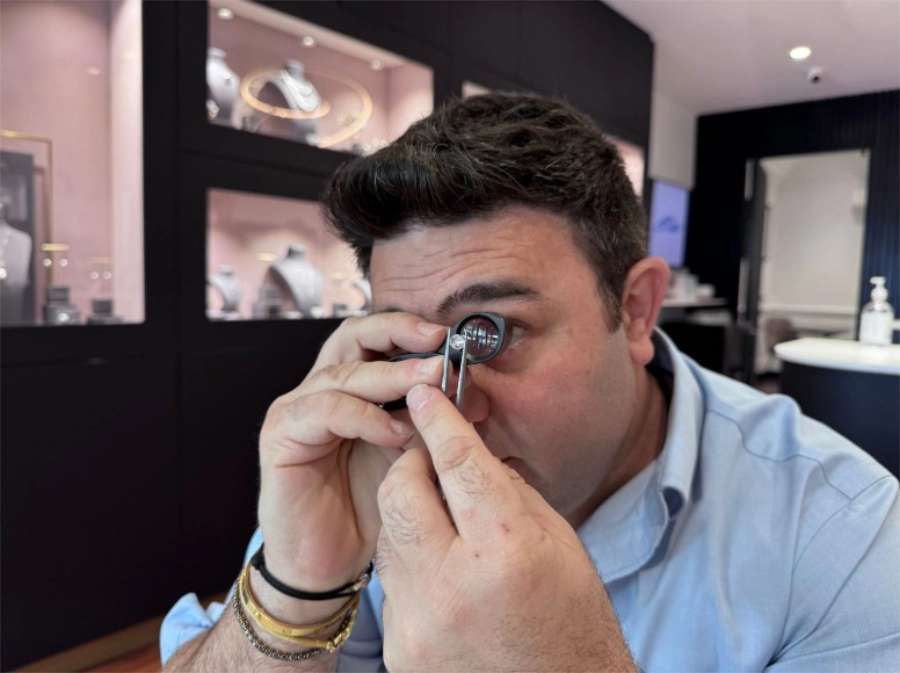
There is a moment at our bench that happens two or three times a week. Someone looks through a loupe at the diamond they have just fallen for, spots the inclusion, and their face falls. Then we take the loupe away and ask them to look at it the way they will look at it for the next forty years, at arm’s length in ordinary light. It disappears.
That is the whole subject in one exchange. Clarity sits alongside cut, colour and carat weight in shaping diamond quality, and it is the factor people most often overpay for, because it is graded at a magnification nobody lives at.
This guide covers the GIA clarity scale, where eye clean sits by shape and size, and how to buy a stone that looks superb without paying for letters you will never see. We select and set diamonds every week at our Mt Hawthorn studio, and this is the conversation we have across the counter.
What Is Diamond Clarity?
Diamond clarity describes how visible the features inside a stone, and the marks on its surface, are at 10x magnification and to the naked eye.
Natural diamonds form under extreme heat and pressure far underground, so nearly all carry small birthmarks. Some inclusions look like a tiny black, grey or white crystal. Others resemble a wispy feather, a soft cloud or a fine needle. Surface marks are called blemishes, most left by the polishing process.
A skilled grader weighs five things, sometimes called the clarity big five: size, number, relief (how strongly a feature contrasts with the body of the stone), position and nature. Those five explain why two diamonds with the same letter can look noticeably different face up, which is the most useful thing to understand here.
How The GIA Clarity Scale Works
The GIA diamond clarity scale runs FL, IF, VVS1, VVS2, VS1, VS2, SI1, SI2, I1, I2 and I3. Eleven grades, applied identically to natural and lab-grown stones.
● Flawless (FL). Nothing at 10x. Under 2 per cent of diamonds reach FL or IF, and the price reflects rarity rather than looks.
● Internally Flawless (IF). Clean inside, minor surface marks only. To the unaided eye, FL and IF are indistinguishable.
● VVS1 and VVS2. Very, very slight inclusions. Effectively perfect to the eye.
● VS1 and VS2. Very slight inclusions, difficult to see even at 10x. Excellent choices for an engagement ring.
● SI1 and SI2. Slightly included, obvious at 10x. SI1 is frequently eye clean in rounds to about 1.5 carats. SI2 depends on the type and position of the feature.
● I1, I2 and I3. Visible inclusions in normal viewing. Choose carefully and plan the setting around them.
Your report also lists carat weight, measurements and fluorescence, so read it whole rather than fixating on one line. Our 4Cs guide covers how the factors interact.
What Eye Clean Actually Means
Eye clean means nothing is visible to the unaided eye at roughly 25 to 30 centimetres in normal room light.
That is the standard we buy to for most clients, and the lighting matters, because Perth complicates it. A stone that reads flawless under warm shop lighting can show a cloud in February glare. We check shortlisted stones in three conditions: bench lamp, showroom light and the doorway. If a feature only shows under the loupe, it will never trouble you. If it shows in the doorway, we move on.
Once a diamond is eye clean, moving up the scale buys rarity rather than appearance, and that budget does far more work in cut.
How Shape And Size Change The Look
Facet style decides how forgiving a diamond is.
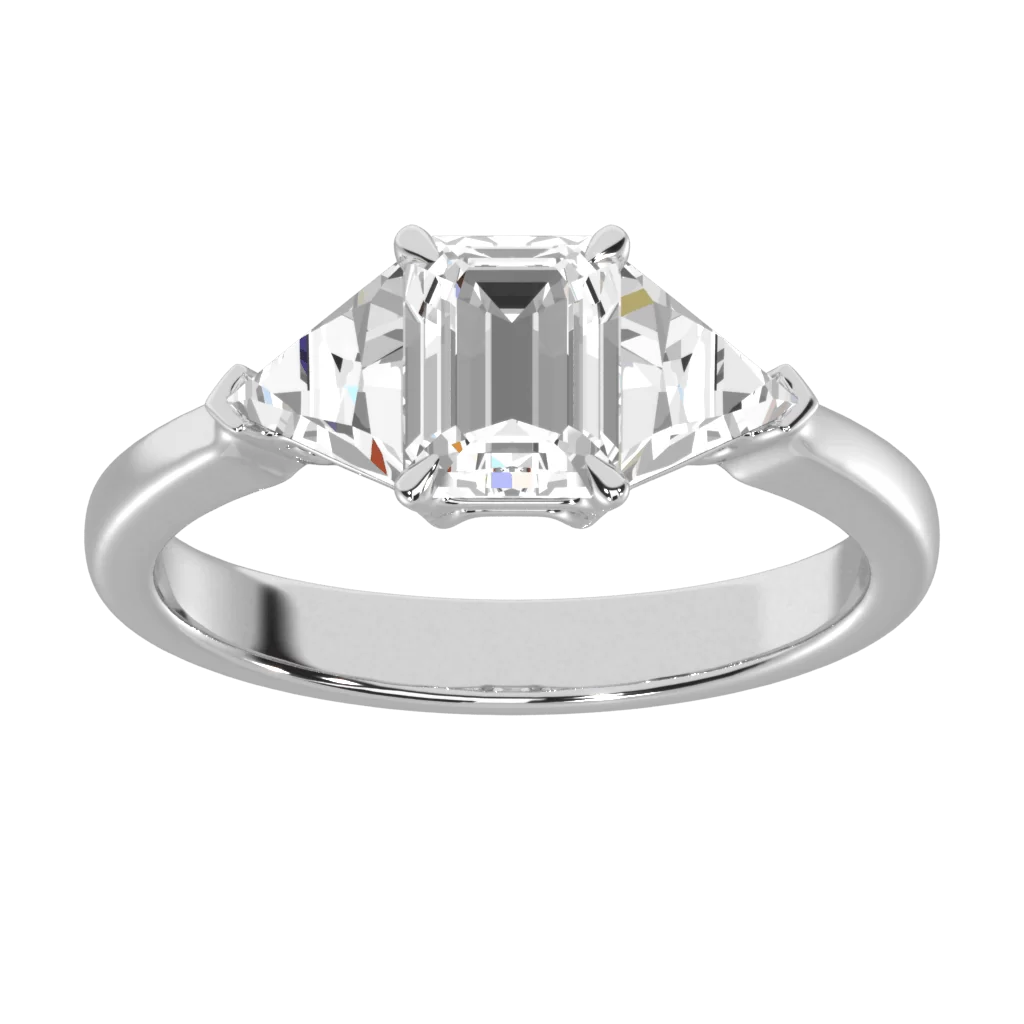
Brilliant cuts, meaning round, oval, cushion and radiant, scatter light and hide small features well. Step cuts, meaning emerald and Asscher, have long open facets that behave like mirrors, so a single mark echoes down a facet and stays visible. Anyone drawn to an emerald cut has to spend more on clarity than someone buying a round of the same weight. Size compounds it, because the same inclusion covers more of a larger table.
Where eye clean usually sits:
● 0.30 to 0.69 ct round. SI1 is often eye clean.
● 0.70 to 1.49 ct round. VS2 to SI1 is often eye clean.
● 1.50 to 2.00 ct round. VS2 is safer. SI1 is case by case.
● Emerald and Asscher, any size. Target VS1 to VS2 for a crisp, glassy face-up.
● Over 2 ct, any shape. Tighten one step, because the table is large enough to put a central feature on display.
What Clarity Offers The Best Value
For rounds under about 1.5 carats, VS2 to SI1 balances price and appearance better than anything else on the scale. For emerald and Asscher, VS1 to VS2.
Price steps are steepest at the borders: SI2 to SI1, VS2 to VS1, VVS2 to VVS1, and they widen as stones get larger and whiter. A well placed SI1 in a 1 carat round can save enough to move up a full cut grade, and cut is what people notice across a room.
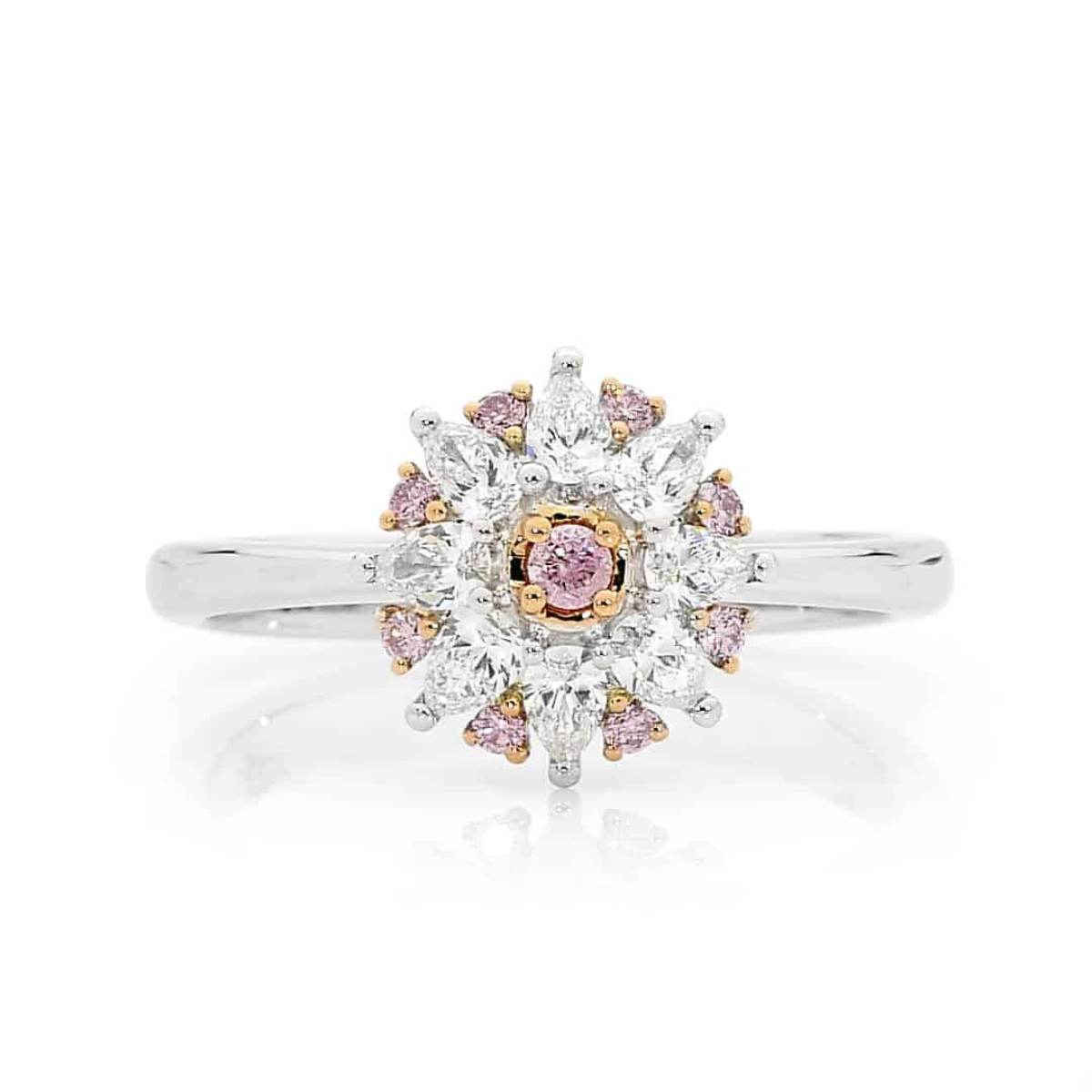
One local exception. In fancy coloured diamonds, particularly the Western Australian pink diamonds we hold, clarity matters far less than in whites. Colour intensity dominates value, and pinks almost always carry visible graining from how the colour forms in the crystal. An SI pink is unremarkable. Applying white-diamond clarity logic to a pink is a mistake we correct often.
How To Choose Your Clarity Step By Step
A sequence that keeps the priorities in the right order.
1. Set your budget. Our guide to what an engagement ring costs gives you real numbers.
2. Lock an excellent cut first. Cut drives brightness and fire. Never trade it for a clarity letter.
3. Choose a colour window. Yellow gold forgives warmth, white metals reward higher colour. Match the centre to the side stones.
4. Take the lowest clarity that is eye clean for your shape and size, and put what you saved into cut or a small step in carat weight.
On a normal budget, one step warmer in colour with an eye clean clarity almost always looks better than a top grade that changes nothing you can see.
Fluorescence, Treatments And Reading The Report
Three things alongside the clarity grade that matter more than most buyers realise.
Fluorescence is how a stone reacts to UV. Weak to medium is usually neutral and can help a warm stone look whiter. Strong fluorescence occasionally reads milky. Check it in daylight.
Treatments must always be disclosed. Laser drilling targets a dark crystal and leaves a fine trail visible at 10x. Fracture filling hides a small crack with a glass-like material and needs care during repair, because heat affects it. Some insurers treat them differently. Ask directly, and any jeweller worth buying from will answer without hesitating.
The clarity plot is a map. Top view is the crown, reverse is the pavilion, symbols show what each feature is. Read the comments too, where notes like clouds not shown live. If the stone carries a girdle inscription it should match the report number. We check that on every stone before it reaches a client.
Can The Setting Help With Tiny Marks?
Sometimes, and this is where a workshop earns its keep.
A claw can be positioned to cover a minor feature near the girdle, and a bezel or halo softens the rim. Our setters do this deliberately when the stone warrants it, and it can turn a borderline SI1 into a ring nobody questions.
Two limits. Step cuts still need cleaner material, because no setting compensates for a facet acting as a mirror. And we will never place metal to conceal a surface-reaching feather, because that is durability rather than cosmetics. If a feature threatens the stone, you need a different stone.
Frequently Asked Questions
The seven we answer most often across the counter.
What Does Eye Clean Mean?
No inclusions visible to the unaided eye at about 25 to 30 centimetres in normal light. Check face up first, then at a slight tilt.
Are Flawless Diamonds Worth It?
They are beautiful and genuinely rare, at under 2 per cent of stones, but they are not brighter than an eye clean VS or SI with an excellent cut. You are buying rarity.
Which Clarity Grade Is Best For An Engagement Ring?
VS2 to SI1 for rounds up to about 1.5 carats. VS1 to VS2 for emerald and Asscher cuts, where open facets show more.
Is VS1 Better Than VS2?
Marginally, on paper. A well placed VS2 usually looks identical on the hand. Decide on placement and a video, not the letter.
Do Lab Grown Diamonds Use The Same Clarity Scale?
Yes, identically. Inclusion types differ slightly, but the grading and the goal are the same. We compare the two properly in lab grown versus natural diamonds.
How Do Inclusions Affect Brilliance?
Central, dark or dense features can reduce light return. Small pale features near the girdle generally change nothing you can see.
What Matters More, Clarity Or Cut?
Cut, and it is not close. Once a stone is eye clean, every remaining dollar does more work in cut than in clarity.
Come And Look Through The Loupe Yourself
You do not need to memorise the scale. You need two stones side by side and someone to explain what you are looking at.
Come to our Mt Hawthorn studio and we will shortlist a few GIA certified diamonds inside your budget, show them under the bench lamp, in showroom light and in the doorway, and give you a short loupe lesson so you can read the plot against the stone in your hand. Most people arrive worried about letters and leave having chosen with their eyes, which is the right order.
If you are not in Perth we do the same over video with high magnification footage, which is how many of our interstate and fly in fly out clients choose. You can also browse the custom gallery or start in our bespoke ring builder.
Book a consultation and we will have the loupe ready.

Stelios Palioudakis, founder of Stelios Jewellers, has been crafting bespoke pieces since 2007. Recognised early as a finalist in the Australian Jewellery Awards, Stelios has built a brand renowned for exceptional design, quality, and loyal clientele.



Social Media