Wedding Band Design Process
A wedding ring is simple in shape but high-stakes in real life. It needs to feel comfortable every day, suit the wearer’s style, last for decades, and sit properly alongside an engagement ring if there is one. Most of the wedding bands we deliver from our Mt Hawthorn design studio are worn between 12 and 16 hours a day for the rest of the wearer’s life, which is why the design conversation goes considerably further than choosing a width and a metal.
Stelios Palioudakis started the studio in 2007 after completing his goldsmith apprenticeship in Perth and reaching the finals of the Australian Jewellery Awards. The studio team carries roughly two centuries of combined experience between them, including long-standing jeweller Andy and the broader hands behind notable past commissions such as the Miss Universe Australia crowns and brooches for the West Australian Symphony Orchestra. Wedding bands run through the same studio.
What A Custom Wedding Band Should Achieve
A wedding ring has three jobs: it has to look right, feel right, and wear well across the long run. Designing a custom band lets you control each of those without compromise.
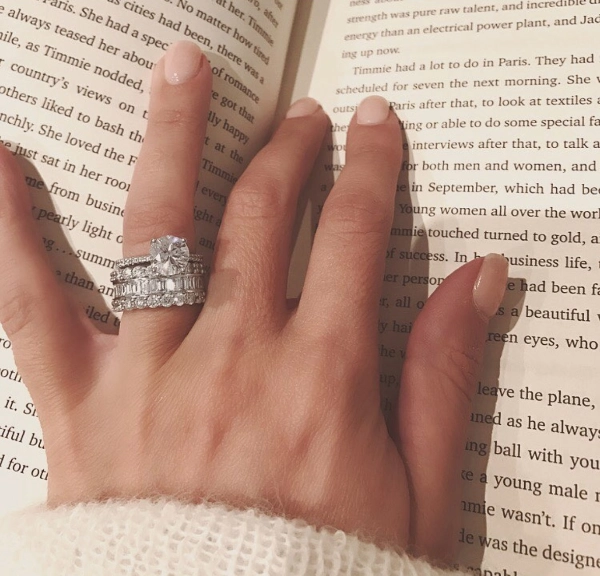
Shape that creates a seamless fit against your engagement ring, where one is worn alongside. Width and profile that matches the wearer’s hand and lifestyle (slimmer profiles for slender fingers, broader profiles for substantial hands, comfort-fit interiors for wearers who keep their rings on through sport and sleep). A material that balances appearance and durability, ranging from precious metals like 18 carat gold and 950 platinum through to alternative metals like titanium for clients with specific lifestyle briefs. A finish that suits the rest of your jewellery (high polish, soft satin, brushed, hammered, sandblasted). And meaningful design touches like hidden engraving, mixed-metal work, milgrain edges, or a single set diamond that will be visible only to the wearer.
What We Provide On Process Clarity
Our process is set out at the first consultation rather than left vague. You know what happens at each stage, what your role is at each checkpoint, when approvals are required, and what timeline to plan around. We use visual checkpoints (sketches at concept stage, CAD renderings before any metal is cast, a wax or resin model where the design calls for one) so you can see and approve the work before any production begins.
Pricing is set out at quote stage with the materials, the studio time, and any sourcing fees broken down clearly. The figure does not move on you mid-process unless the brief itself changes.
Metal purity and gemstone provenance are documented in writing. Every wedding band we make is hallmarked with the metal carat (18 carat gold or 950 platinum, typically) and we share supplier paperwork on request.
How Our Team Puts Your Mind At Ease
Several issues come up regularly when couples compare jewellers for wedding band work, and we have built our process around addressing each of them.
CAD review is part of every commission rather than offered as an upgrade. The renderings you sign off on are what the studio team builds against; there are no quiet substitutions between approval and final polish.
Most wedding rings can be resized within two sizes in either direction, with heavily set bands resized within a narrower range.
Aftercare runs across the life of the ring. Free annual cleaning and inspection on every wedding band we make, and structural checks for setting wear are all included rather than charged extra.
What You Decide In The First Consultation
The first appointment runs for about an hour at the studio in Mt Hawthorn, often over coffee, with no obligation at the end of it. We sit together with metal samples, existing rings for reference, and a notebook in front of us, working through the conversation at the pace that suits you.
The conversation moves through the style direction (classic, modern, vintage-inspired, more distinctive), the metal choice and budget guardrails, the wearer’s daily routine (which often shapes the band more than aesthetic preference), the ring size plan, whether the band will sit alongside an engagement ring, any specific design touches you want incorporated, and the timeline planning around the wedding date.
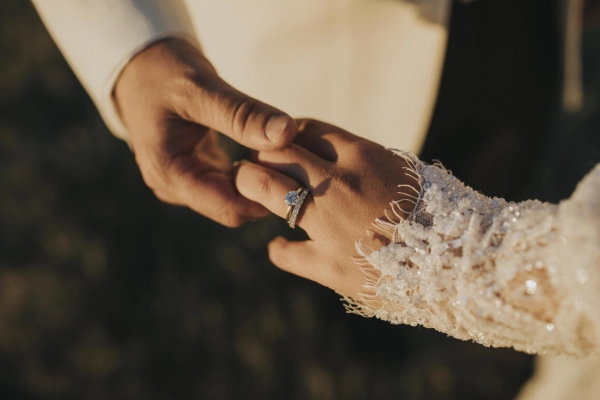
If you have an engagement ring already, bring it. The wedding band design conversation is significantly faster and more accurate when we can see how the band needs to sit against the existing piece.
Step 1: Define The Look And The Meaning
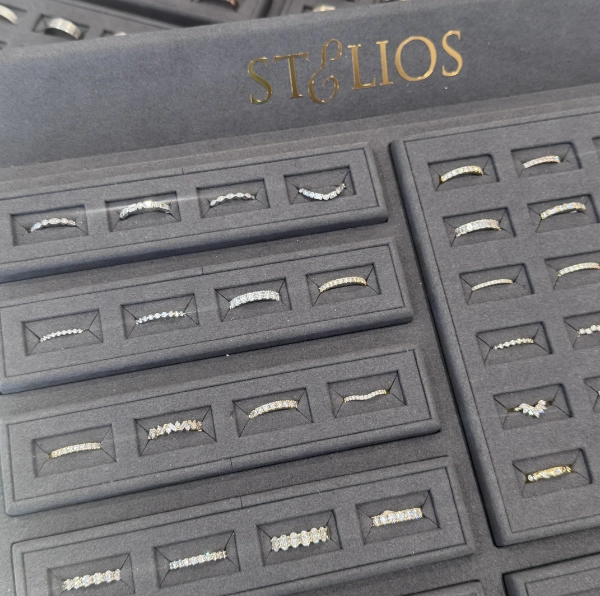
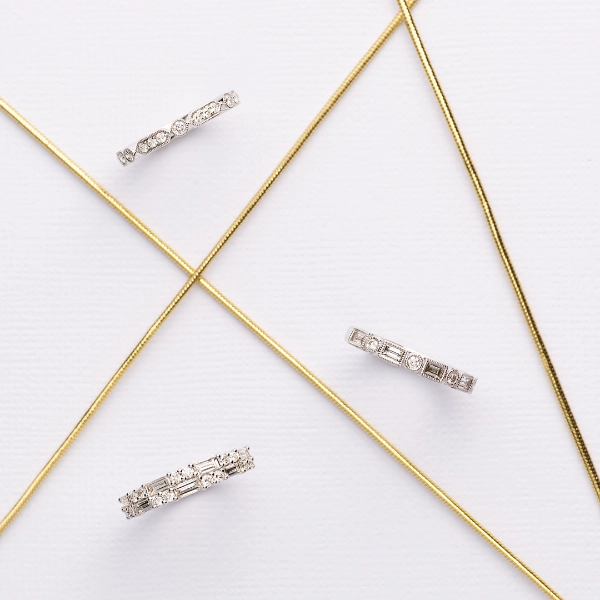
A wedding band can be a simple band of metal or a small canvas for personal meaning. Most clients sit somewhere in between. We will work through the width and profile that suits your hand, the visual tone you are drawn to (clean and minimal, bold and substantial, vintage with hand-engraved detail, modern with mixed metal contrast), and the small meaning detail that turns a simple band into something specific to your relationship.
Hidden engravings inside the band are the most common personal touch we add. Initials, the wedding date, the latitude and longitude of where you met or proposed, a short message, or a small motif cut by a studio engraver into the inside of the shank where only the wearer ever sees it. None of these add much to the cost, and most of them are invisible to anyone but the person wearing the ring.
Step 2: Choose Materials That Suit Real Life
Metal selection affects both how the band looks and how it ages.
Platinum is the most enduring of the major options. It holds its colour without plating, develops a soft patina rather than scratching, suits hypoallergenic briefs, and runs roughly 25 to 40 per cent above 18 carat gold for an equivalent piece. Most of the platinum wedding bands we make are 950 platinum, alloyed with 5 per cent ruthenium or iridium for hardness.
18 carat yellow gold offers warmth and traditional weight, and pairs particularly well with engagement rings already set in yellow gold. The metal is 75 per cent pure gold alloyed with copper and silver for hardness, and ages by developing a soft patina rather than wearing rapidly.
18 carat white gold delivers a brighter, cooler tone, with rhodium plating producing the bright white finish most clients associate with the metal. The plating wears across two to four years and needs reapplying.
18 carat rose gold has become the most popular wedding band choice across the past decade, particularly for clients matching engagement rings already set in rose gold. The copper alloy that produces the pink colour also makes the metal slightly harder than other 18 carat options.
Alternative metals (titanium, tungsten, ceramic) suit specific briefs (active lifestyles, allergies, specific aesthetic) but cannot be resized in the same way as gold or platinum, and we walk through the trade-offs honestly before any commitment.
Step 4: Select Finishes And Design Features
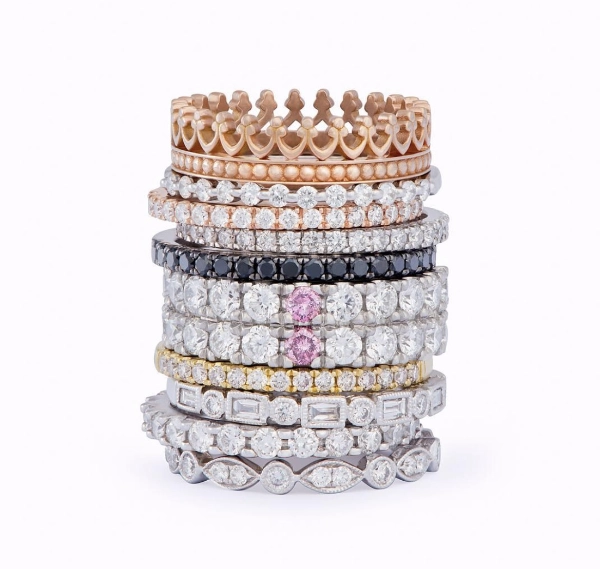
The finish is what often separates a custom band from a stock one. The same 4mm 18 carat yellow gold band can read entirely different in a high mirror polish versus a hand-hammered surface versus a soft satin brushed finish. We work through the finish options at the studio with samples to compare, since the choice is far easier in person than from photographs.
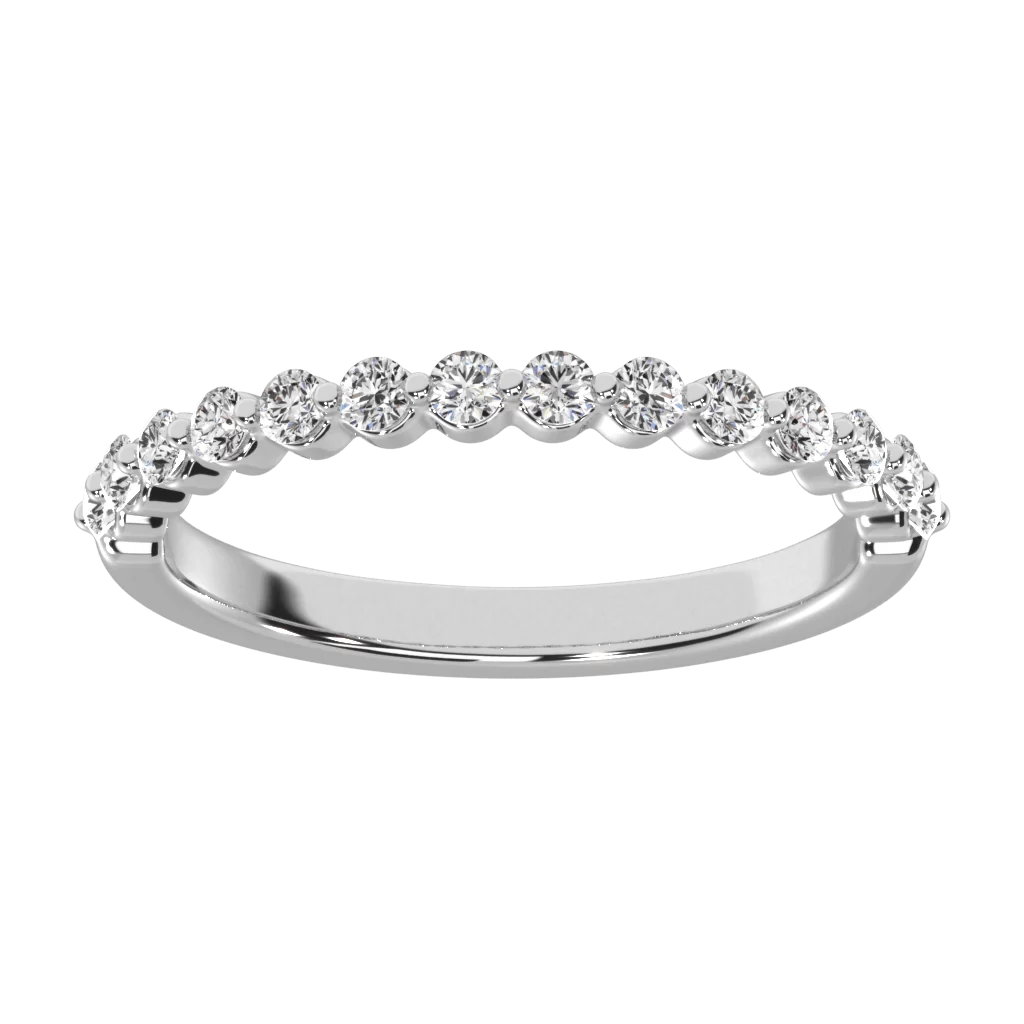
Design features that get added to wedding bands at the studio include single set diamonds (visible from the front or hidden inside the band), milgrain edges, hand-engraved patterns, mixed-metal inlays, internal channel work, and hammered surface texturing. Each adds character without compromising the band’s structural integrity.
Step 5: Visualise The Design With CAD And Approvals
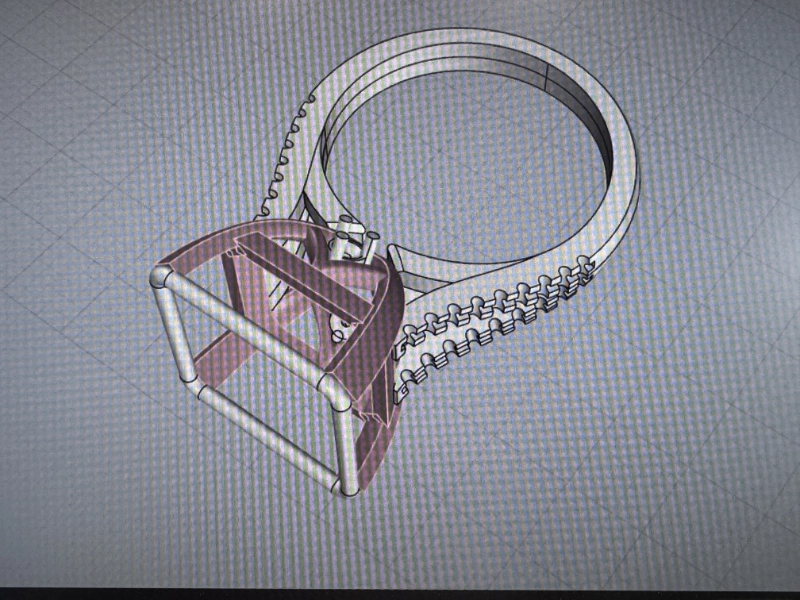
CAD is where the design becomes precise. We model the band in 3D before any metal is cast, documenting band width and thickness, profile (flat, court, half-round, comfort fit), contouring relative to the engagement ring where applicable, stone seats and engraving placement, and the proportions of the finished ring on the hand.
You review the model from multiple angles and request changes. Custom design is iterative; you can adjust scale, soften a curve, alter a setting style, or change a finish until the design is right. The CAD specifications are what the production team works from, with no ambiguity between approval and finished piece.
Step 6: Prototype And Fit Check When Needed
For unusual widths, complex contoured bands, or rings being made for clients who cannot visit the studio in person, we produce a wax or 3D printed resin model. The model lets you confirm the comfort, the visual scale, and the way the band sits against the engagement ring before any precious metal is cast.
Step 7: Crafting, Setting, And Final Inspection
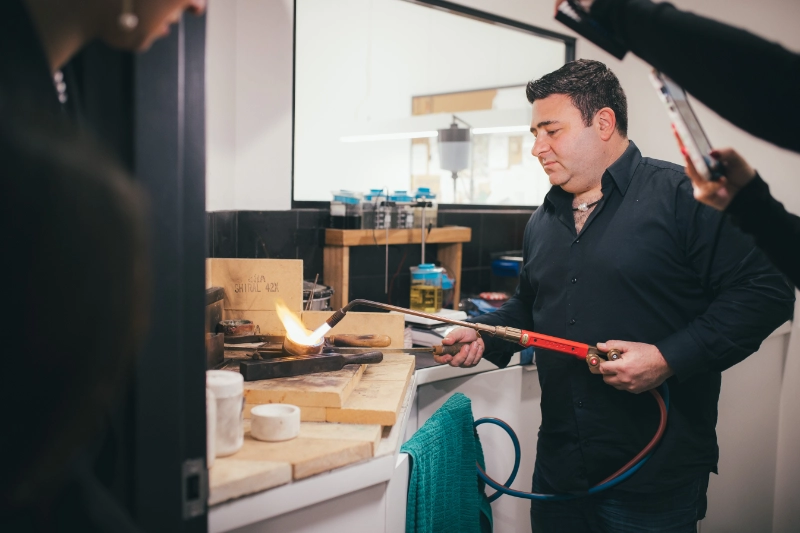
After approval, the band moves into production. The metal is cast or hand-fabricated to the CAD specifications, edges and profiles are refined for comfort, any stones are set by hand at the studio, and the piece is finished to the chosen surface treatment. Final inspection covers fit, symmetry, finish quality, and structural security against the approved CAD before hand-over.
Timing, Budget And Planning Around The Wedding Date
Custom wedding band commissions typically run six to ten weeks from first consultation to hand-over at the studio, with simpler straight bands at the shorter end and complex contoured or hand-engraved pieces at the longer end. If you have a fixed wedding date, we recommend booking at least three months in advance to leave room for sizing adjustments, design revisions, and any unexpected delays.
Setting a budget early helps guide material and design complexity choices. Custom wedding band prices in our studio commonly fall in the AUD 1,500 to AUD 4,500 range depending on metal, finish complexity, and any stones or engraving included. Heavier platinum bands or pieces with multiple set diamonds can sit higher.
Most Perth couples we work with order their wedding bands four to five months out from the wedding date, which leaves time for the rings to be designed, made, sized correctly, and ready to wear before the rehearsal dinner.
Frequently Asked Questions
Six to ten weeks for most custom commissions at the studio. Simpler bands can be faster; complex contoured or heavily engraved pieces can run longer. We plan backwards from the wedding date to leave appropriate buffer.
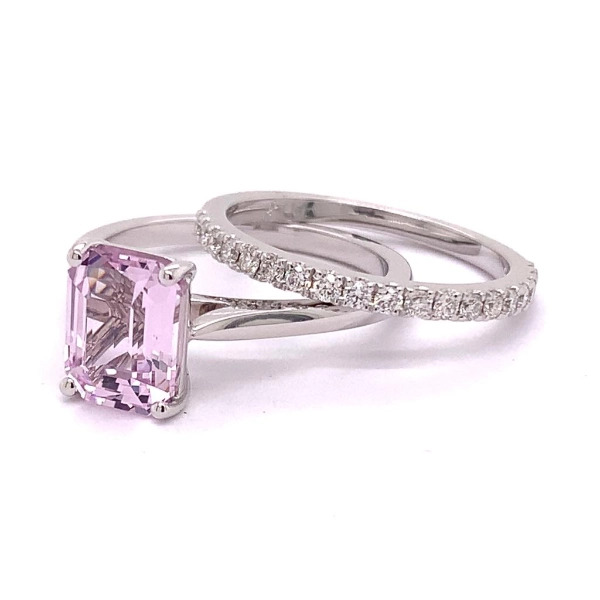
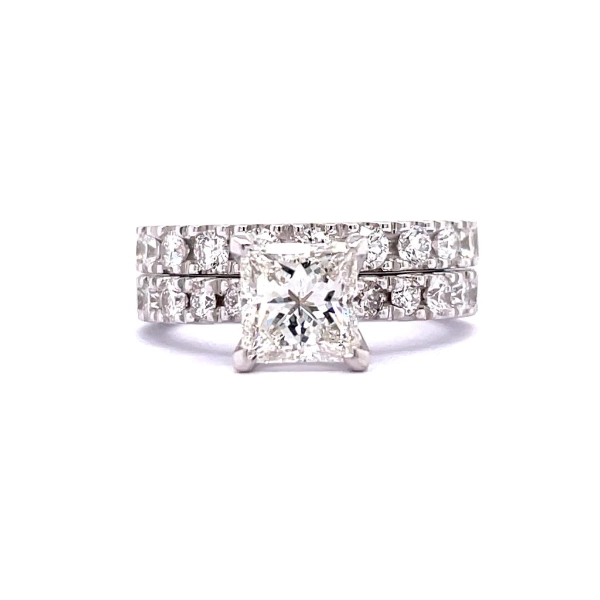
Yes. Shaped and contoured bands designed to nest against an existing engagement ring are part of our regular studio output. We size and shape the band against the actual engagement ring at the studio for accurate fit.
Platinum is popular for active lifestyles because it is durable, hypoallergenic, and develops a natural patina rather than visible scratches. 18 carat gold across yellow, white and rose options also wears well, with white gold needing periodic re-rhodium plating to hold its bright finish.
Yes. Wedding bands with single set diamonds, channel-set diamonds across a portion of the band, or coloured gemstones (sapphires, rubies, emeralds) are part of our regular output. We size the stones in proportion to the band width.
Yes. Hand-engraved initials, dates, coordinates, symbols or short messages cut by a studio engraver are available on every wedding band we make. Inside-band engraving is included on most bespoke commissions.
Plan Your Wedding Band With Us
If you are ready to begin a custom wedding band, we welcome you in for the first consultation at our Mt Hawthorn design studio. Bring your engagement ring if you have one, photographs of styles you are drawn toward, and an honest sense of your budget and the wedding date you are working toward. The rest, we shape together.