
Engagement Ring Design Process
Designing an engagement ring is rarely just about choosing a style and paying a deposit. It is about how you compare options, how you approve each design stage, how the diamond’s certification gets verified, and how the finished ring is checked before it leaves the workshop. Skipping any of those stages is where most regret in custom engagement ring purchases originates.
At our Mt Hawthorn workshop in Perth, we run a bespoke engagement ring design process built around visible checkpoints rather than blind trust. Stelios Palioudakis started the studio in 2007 after completing his goldsmith apprenticeship in Perth and reaching the finals of the Australian Jewellery Awards.
Overall the team carries roughly two centuries of combined experience, including long-standing designer Isabelle, and notable past commissions including the Miss Universe Australia crowns and brooches for the West Australian Symphony Orchestra. This page walks through the process in the order it actually happens.
Ready to start? Try our Online Custom Ring Builder
Or browse inspiration in our Diamond Engagement Ring collection.
What This Process Is For
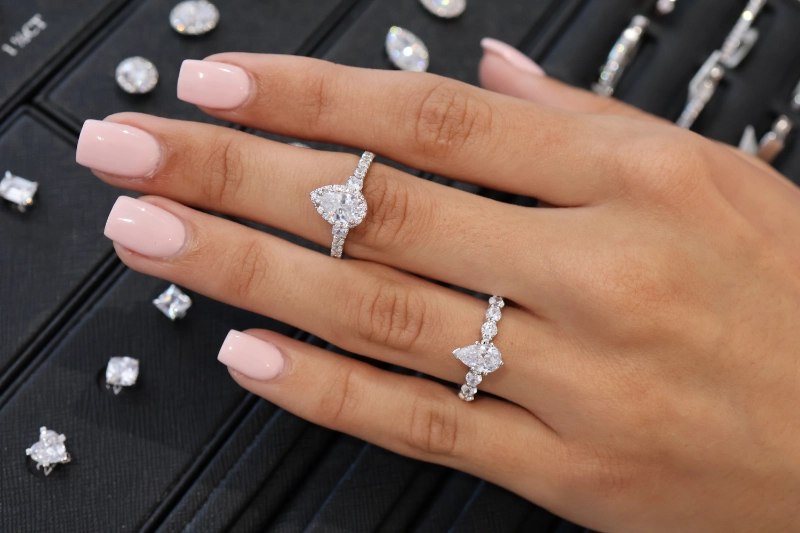
This process suits any couple who want a custom engagement ring that’s shaped around personal taste rather than a template. You may be aiming for a single stone solitaire, a modern bezel, a half bezel, a halo, a three stone trilogy, or something more expressive built around coloured gemstones.
It is also possible to use a family heirloom diamond that requires a new setting designed around it.
This bespoke process works best when off-the-shelf retail does not match your needs and you want control over every element that shapes the final piece.
What We Provide On Diamond Verification And Process
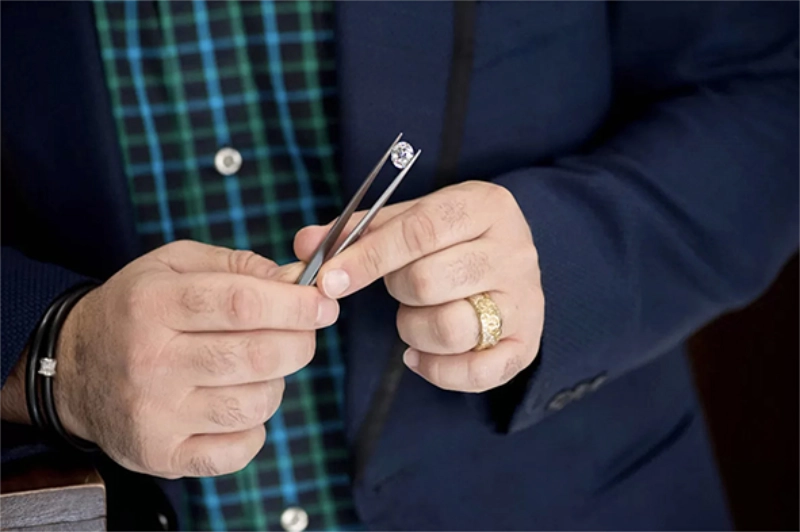
Every diamond that we sell has independent grading from a recognised laboratory: GIA, IGI or AGS. We will share the certificate with you before any setting work begins, walk through the cut, colour, clarity and carat figures in plain language, and explain what each grade means for how the stone will read on the finger.
We can also walk you through our process step by step at the first consultation. In the first Consultation our team will discuss stone sourcing, design approvals, change handling and realistic timelines for bespoke work which are all set out clearly before you commit to anything. This is to insure that you know what each stage involves and what your role is at each point.
Common Issues That Happen In Diamond Ring Consults
Several issues regularly come up when buyers compare jewellers, and we have built our process specifically around addressing each of them.
Ethical sourcing carries a paper trail rather than a marketing line – Every diamond, coloured stone and pearl we source comes with provenance documentation from the supplier, and we are happy to share that paperwork with you before any commitment.
Finished rings match the approved CAD – The same renderings you sign off on are what we create, with no quiet substitutions between approval and final polish.
Setting security is checked at multiple points across production – Every prong is tipped, polished and stress-tested by hand before the diamond goes into the ring, and the finished ring is inspected for setting integrity before it leaves the workshop.
Warranty and post-purchase support are spelled out in writing at hand-over – Free resizing within the first 12 months, free annual servicing, and free re-rhodium plating intervals on white gold pieces are all included on every ring we make rather than offered as upgrades.
We do not use pressure tactics or rushed approvals – The first consultation is free, carries no obligation, and runs at whatever pace suits you. If you need a week between the CAD review and the final approval, you take a week. The lock-in point only happens when you are ready for it.
What You Will Decide In The Initial Consultation
The first consultation is the part of the process most clients tell us they remember warmly, even months later. The conversation runs for about an hour, with no pressure to commit to anything by the end of it.
The designers at Stelios Jewellers will sit with you often over coffee, with stones, metal samples and a notebook in front of them.
The questions tend to be simple ones at first such as what does your partner already wear? What does they do with her hands during the day? What feeling do you want the ring to carry? Most of our clients arrive a little nervous and leave noticeably lighter, partly because the conversation makes the unknown feel manageable, and because there is something quietly enjoyable about spending an hour talking about someone you love.
By the end of the first appointment we will usually have a shared sense of the design direction, the stone you are leaning toward, the metal you prefer, the budget you are working with, and the rough design idea.
Step 1: Share The Direction For The Ring
This is the creative starting point and, for most clients, the part of the process where the ring starts to feel personal rather than abstract. Bring whatever you have: screenshots saved on your phone, photos of your partner’s grandmother’s ring, a list of styles you are drawn to, things they have said in passing, or simply a description of how you want the ring to feel when they see it for the first time.
This stage is also where the meaning behind the proposal often quietly turns into something visible in the design. A hidden coloured gemstone tucked inside the gallery in their birthstone or yours, a hand-engraved date or set of initials on the inside of the band where only they will see it, the latitude and longitude of the place you first met cut as small numbers under the setting, or a curve in the band that references something specific to the two of you. They are the details that turn a beautiful ring into the ring they immediately recognise as theirs.
Step 2: Choose The Centre Stone
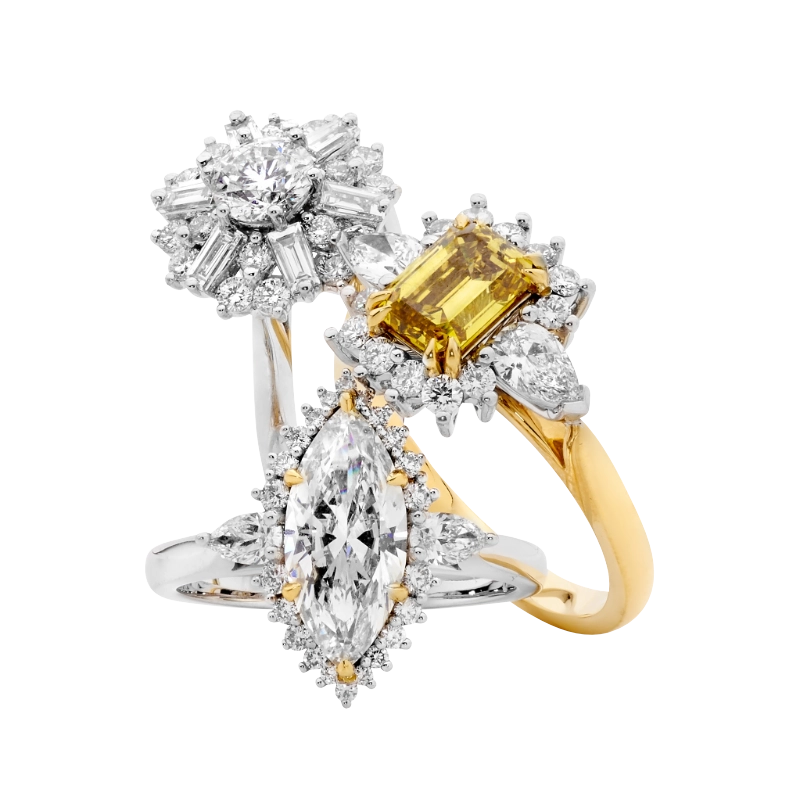
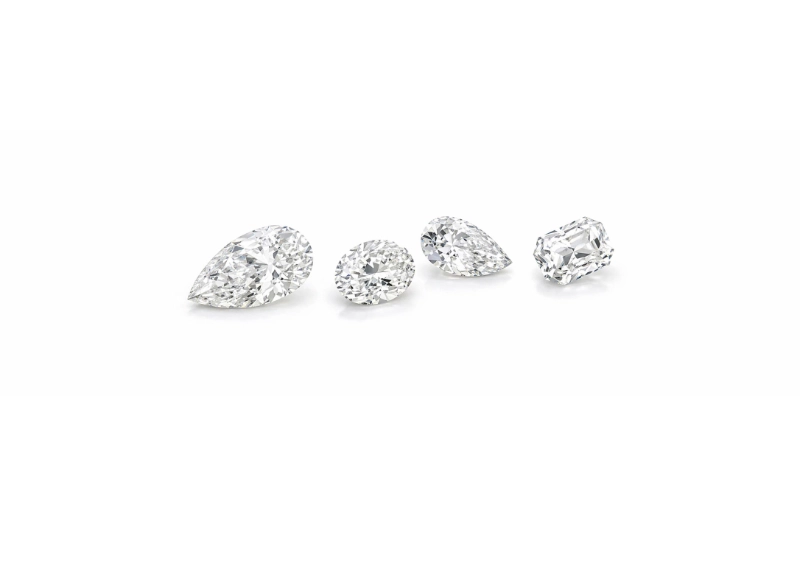
Most of the visual weight of an engagement ring sits in the centre stone. This is where we balance how the ring will look, how it photographs, and how the budget plays out.
For diamonds, the 4 Cs (cut, colour, clarity, carat) drive the price and appearance. Cut quality is the factor we recommend never compromising on, because a poorly cut diamond reads dull regardless of how excellent its other grades are. Within the colour range, G to I sits as the practical sweet spot for white gold or platinum settings, and I to J works comfortably for yellow gold. For clarity, VS1 to SI1 covers most engagement ring briefs without inclusions visible to the naked eye.
Natural diamonds and lab grown diamonds are chemically identical. The difference is origin. Lab grown stones sit at substantially lower prices, which means a budget that buys a 0.7 carat natural diamond often buys a 1.5 to 2 carat lab grown stone of comparable colour and clarity.
For couples drawn to Australian provenance, Western Australian pink diamonds (produced for decades by a now-closed mine in the East Kimberley region of WA) sit at the rarest end of the diamond market.
Sapphires (in blue, pink, yellow, green or parti-colour from Australian fields), rubies, emeralds and aquamarines all work as engagement ring centre stones. Sapphire and ruby in particular are durable enough for daily wear at 9 on the Mohs scale.
Step 3: Choose Metal And Setting Style
Metal choice affects how the diamond reads and how the ring ages on the finger. Yellow gold brings warmth and pairs with most skin tones. White gold reads crisper and modern but needs rhodium re-plating every two to four years. Rose gold has become the most popular metal for engagement rings over the past decade. Platinum is the densest and most enduring of the four, holds its colour without plating, and runs roughly 25 to 40 per cent above 18 carat gold for an equivalent piece.
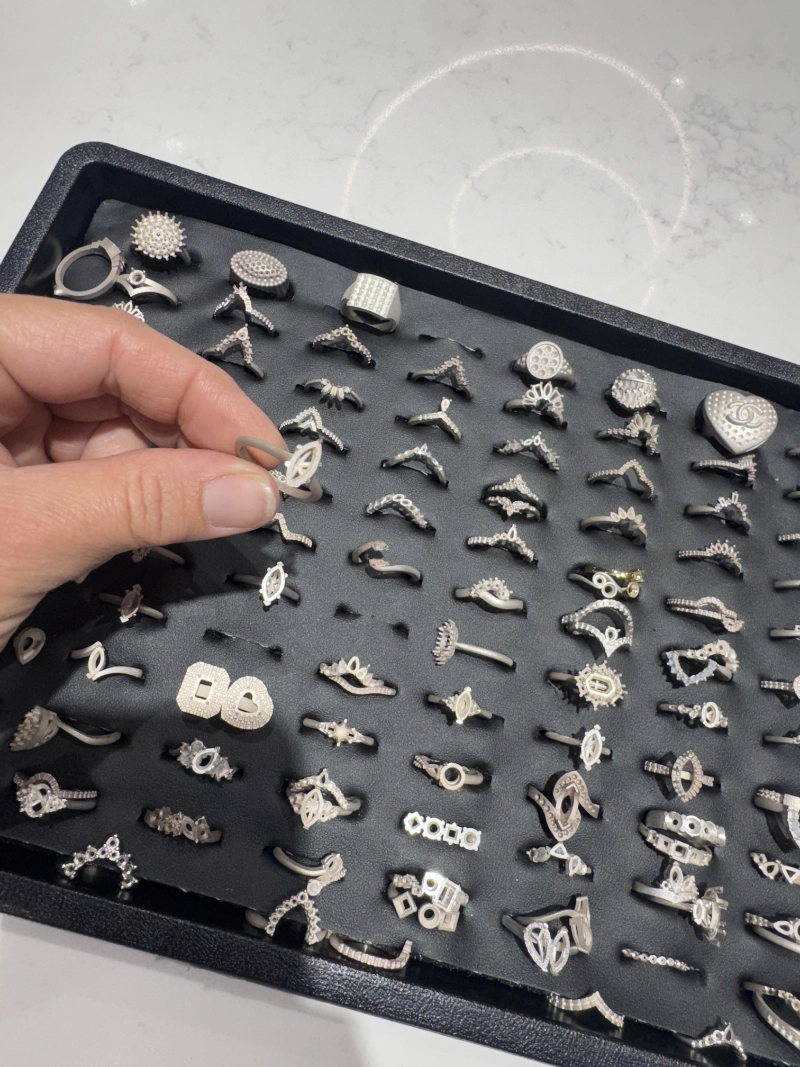
Setting style is where the wearer’s lifestyle drives the design. Hands-on work (medical, trade, hospitality, sport) calls for protective designs: bezel settings that wrap the metal around the entire diamond, half bezels that partly enclose the stone, or low-profile claw settings sized to keep the centre stone close to the finger. Office work and lighter daily wear suit higher-set classic six-claw solitaires, halos, or three stone designs that show more of the centre stone. We design around the actual life the ring needs to fit into, not the showroom version of it.
Step 4: Initial Drawings And Concept Refinement
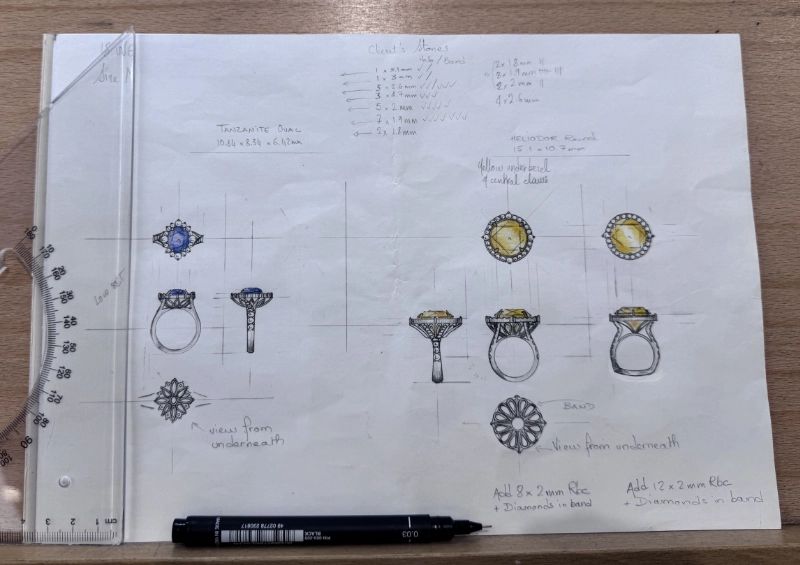
Once the brief is locked in, we convert it into a buildable plan. Initial sketches and design notes refine band width and thickness, stone height, prong or bezel geometry, accent stone placement, and comfort shaping. You see the design direction clearly before any 3D work begins.
Step 5: Computer CAD Design And Approval
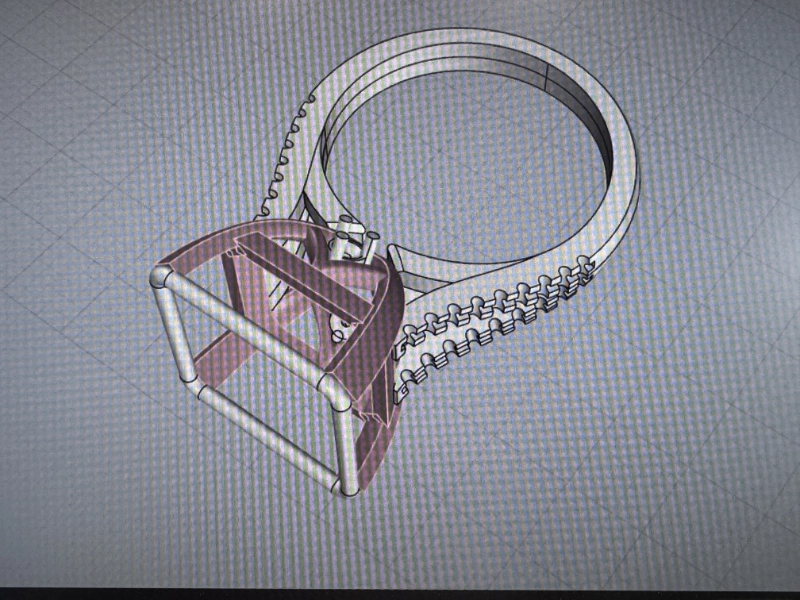
We model the ring in CAD before any metal is cast or any stone is set. You review the model for the silhouette, the setting height, the band proportions, and the fine details. Custom design allows you to request changes, adjust the model, and review again until the design matches what you want. Final approval at this stage locks in the specifications before manufacturing begins, and the production team works from those specifications rather than guesswork.

Step 6: Try On A Model And Confirm Sizing
For higher settings, unusual proportions, or rings being made for clients who cannot visit the studio in person, we produce a 3D printed resin model or a silver try-on. The wearer (or the surprise-proposer in their place) can put the model on the actual finger and confirm comfort, setting height, and final ring size before any precious metal is cast.
Free resizing within the first 12 months is included on every ring we make, which gives a safety net if the original measurement turns out to be slightly off on proposal day.
Step 7: Production, Setting, And Finishing
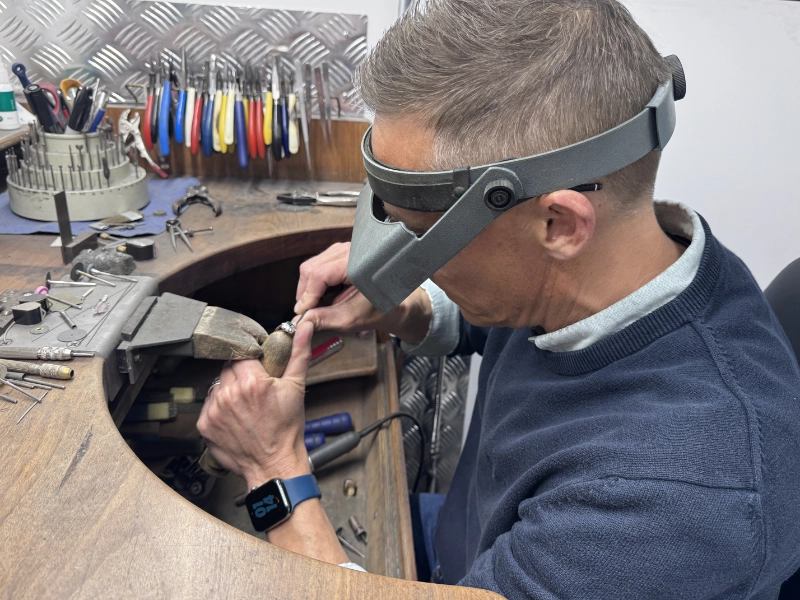
After approval, the ring moves into production. The metal is cast or fabricated, the centre stone and accent diamonds are hand-set at the bench, and the piece is hand-finished to the final polish. Quality checks for security, symmetry and comfort happen at each stage before final hand-over.
Timeline And Planning
Bespoke engagement ring commissions typically take four to six weeks from first consultation to hand-over. Allow more time for complex hand-engraved pieces, multi-stone designs, or specific stones being sourced from interstate or international suppliers. If you have a fixed proposal date, tell us at the first appointment and we plan backwards from it with one to two weeks of buffer built in.
Budget And What Drives Final Price
Final price is shaped mainly by the centre stone (origin, size, quality), the metal weight, the setting complexity (halo, full pavé, hand-engraved gallery details), and the number of accent stones. If budget is a constraint, we work through cost-smart options that protect the visual impact: a slightly smaller centre stone with a pavé halo, a lab grown alternative at the same carat weight as a natural option, or a different shape that reads larger at the same weight.
Frequently Asked Questions
Yes. Resetting heirloom diamonds and gemstones is a regular part of our work. We assess the condition of the stone, design a new setting around it, and document the provenance for the new ring.
Six to ten weeks for most bespoke commissions. Complex multi-stone designs, hand-engraved pieces or rare stone sourcing can extend the timeline. We plan backwards from any fixed proposal date.
Yes. We pull both natural and lab grown stones at the same colour, clarity and carat range so you can compare side by side under bench lighting.
Bezel settings, half bezels and lower-set claw settings all suit hands-on daily wear. The classic six-claw solitaire is also strong when the prongs are properly engineered and inspected annually.
Yes. The CAD review and final approval stage is the lock-in point before any metal is cast. No production starts until you have signed off on the specifications.
Begin Your Ring Design At Our Stelios
If you are ready to begin a bespoke engagement ring, we welcome you in for the first consultation at our Mt Hawthorn store. Bring photographs, an honest sense of your budget, and any inherited stones you want to bring forward. We will lay out diamonds, metal samples and design options at the bench and walk you through the process from there.